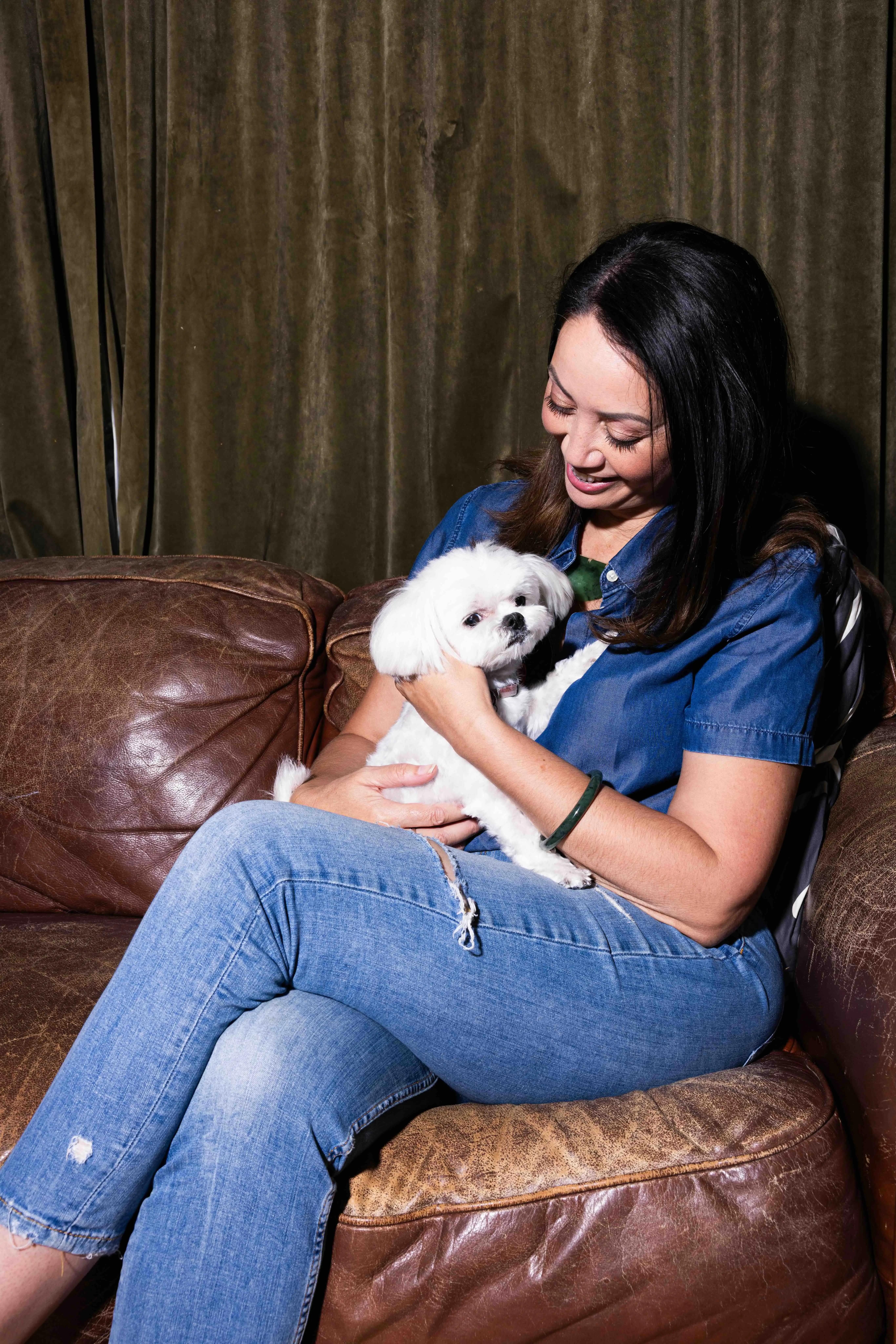
CMUA: What’s your earliest memory of creativity?
Miriama: I was at kindy, I was painting this line of houses and I remember one of the teachers coming over and going “wow, that's really good.” I was like, “what?” Then she called one of the other teachers - “look at this!”
I remember thinking “oh my gosh, they like what I'm doing. This is not just me mucking around anymore.”
I have written far longer than I was ever a current affairs reporter.
I didn't start in the world of current affairs until I was 28. I started in the journalism world around about 18. But I've always written, since I was a child.
The first character that I remember ever writing about regularly in different stories was this little girl called Joni. Don't ask me where I got the name. I’ve got no idea. But I loved writing. I always loved writing.
When I was about 13, my mum gave me Pounamu Pounamu by pāpā Witi Ihimaera. I remember it so clearly because it just blew my mind open. I think partly because it was a Māori writer, writing about things that I understood, and it was my world. I could see it on the page. It was giving validity to my life, and that I could have a voice as a Māori girl, as a writer. I could be completely me.
I love to write. It doesn't just make me happy, it kind of puts me into another state, another world. And I am happy there.
"I love to write. It doesn't just make me happy, it kind of puts me into another state, another world. And I am happy there."
CMUA: What can we learn from the way tamariki see the world?
Miriama: Tamariki don't judge in a negative way. They're always excited. They always want to know what was behind the idea: “Why did they do that? Why has this happened? Why, why, why, why, why?”
That's actually a really easy way to get into the arts, if you're looking at something you don't get, ask why. Think about why. Read about why. That, I think, is the beauty that tamariki bring to the picture, asking that question: “why?”
CMUA: Have you had an unforgettable creative experience?
Miriama: I've lived 52 years so far, so there's a lot of time to have gathered a lot of amazing experiences. I remember a few years ago when Lisa Reihana had in Pursuit of Venus in the Auckland Art Gallery. It was the most amazing thing I’d seen in such a long time. It just floored me. I'm imagining it now. It was just stunning.
I had seen the images of what she used in her artwork before. I'd never seen them put together in this way, you know, like a wallpaper, but to have them moving and to hear what they were saying, and just to see these scenes play out in what felt like real time.
It was confronting, but it also was incredibly beautiful and stunning. She's just amazing.
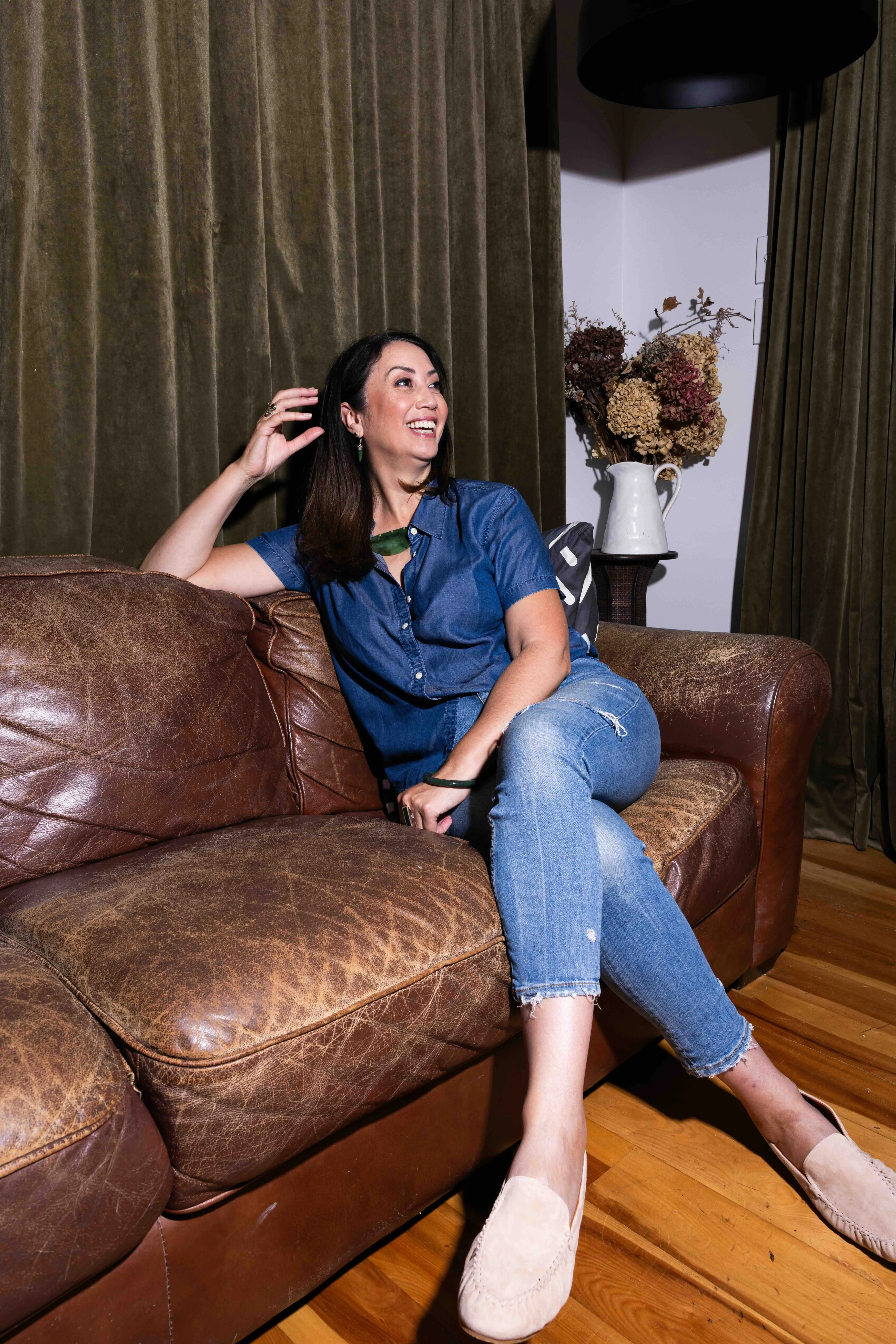
CMUA: What are the feelings that you experience when you write about Matariki?
Miriama: I didn't grow up with Matariki, so it wasn't something that I knew as a writer. I think I only first heard about it when I was around maybe 30, 35.
What it told me was really how much of our mātauranga has been lost, how heartbreaking that is. And then how revolutionary and beautiful it is that we're starting to really be able to connect back to this kind of mātauranga thanks to people like Professor Rangi Mātāmua.
He always says it was so many people who brought it to the fore. But we like to talk about the point of the taiaha, bam! It knocks through, then everybody else is able to come through as well. And so he brought back that mātauranga.
So when I wrote my first book around Matariki, I asked him if he would read it to make sure that it was correct.
When I talk to him about Matariki, I feel such excitement about my world and about the world that my kids are growing up in. I just think it doesn't matter as much, the stuff that isn't going well in our world, when we know that this tide is rising, of returning mātauranga. That’s really exciting.
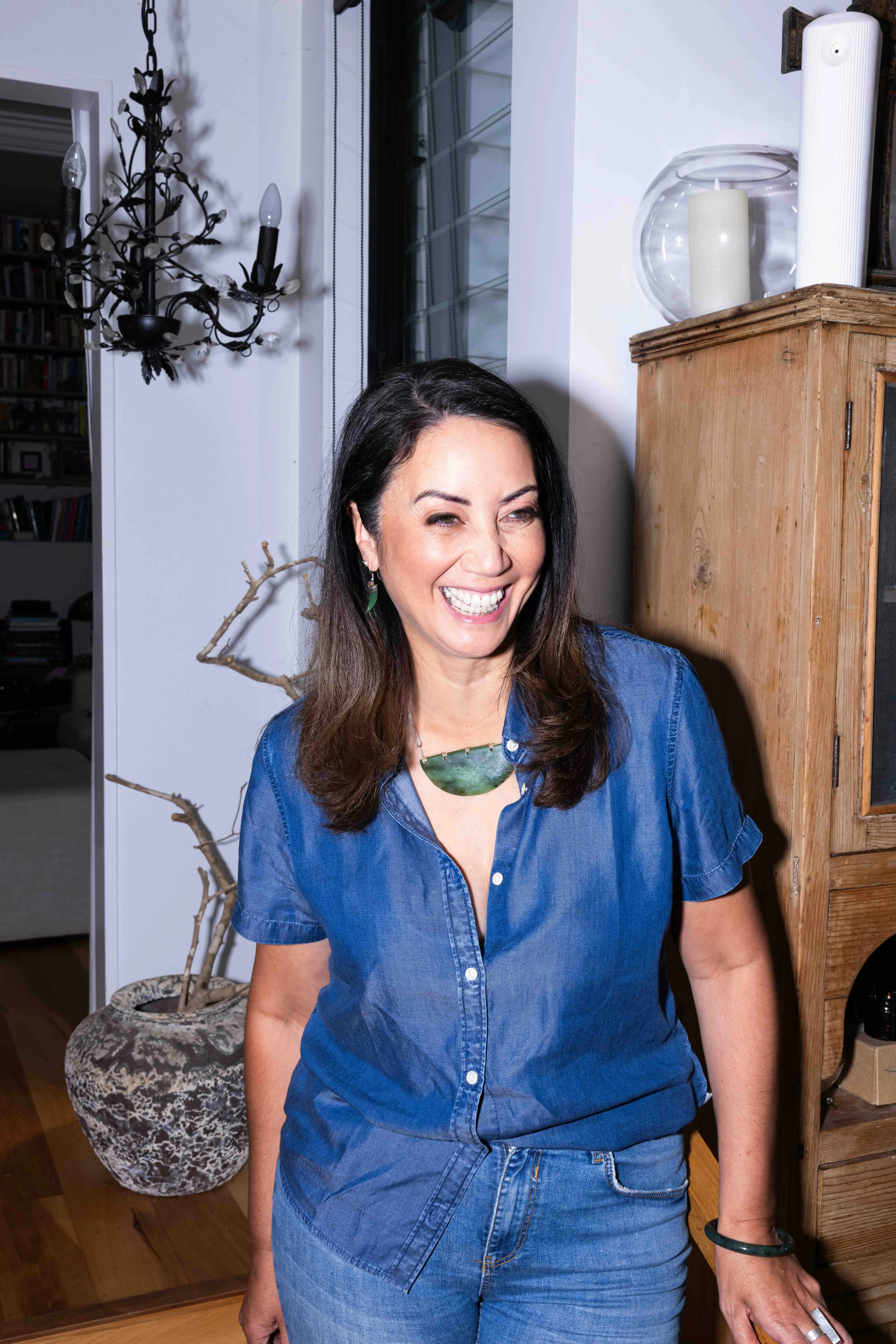
CMUA: Do you think of New Zealand as a creative country?
Miriama: I think of the way that we have built our country together, in all of its awfulness, the things that we've gotten horribly wrong – and then in the things that we've done beautifully and brilliantly together as two peoples who have welcomed others from around the world into our country.
I see that as an incredible act of creation. It's a very young act of creation. We're still going through that.
"Aotearoa is brimming with artistic pursuit and nailing it all the time."
I'm blown away regularly by what we do in the arts community. I just went to a reading of poetry recently, and I'm not a poetry person. I thought that I might be bored, but I was blown away because the actors transformed the poetry so that it became something real and living, off the page. I just adored that work.
I'm very fortunate. I'm the patron of New Zealander of The Year, so I see acts of creativity all the time in our communities, whether it's for the social good, or in business, artists, people who are working in nature, creating every day a better country for us.
Aotearoa is brimming with artistic pursuit and nailing it all the time.
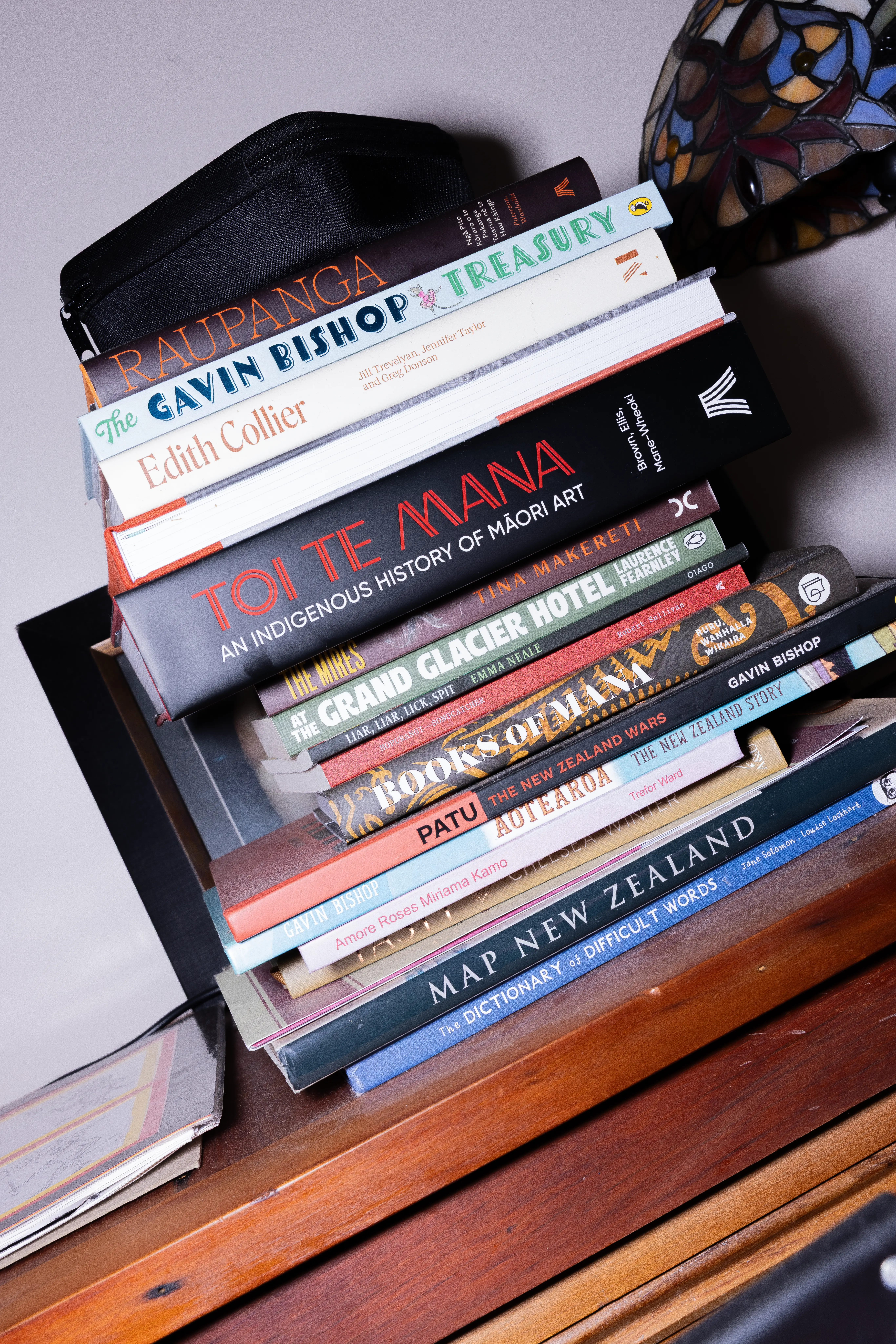
CMUA: What is a creative moment that made Aotearoa?
Miriama: I remember the exhibition Te Māori when I was a kid. That was revolutionary, that was an exhibition that travelled the world.
For Māori, it was a moment where people stopped seeing our art and our creative pursuits as something a little bit kitschy, and cute, and “over there.”
It showed how powerful and how real our creative pursuit is – our creativity, our arts, how much they matter in our lives every single day, and how much they can matter in the lives of all New Zealanders.
CMUA: How would you encourage New Zealanders to get more creativity into their lives?
Miriama: Let’s not forget that knitting and crochet and craftwork, is art. You know, reading is art, viewing things is art, TV, movies, listening to the radio. These are all artistic pursuits and creative pursuits where you are expanding your mind.
Let’s not forget also that art is in our environment, i te taiao. If you go for a walk, look at the way the koru grows. Look at the way the bushes and plants flourish, or the trees drop dewdrops onto your head. The puna - the source - of creativity is te taiao.
You can go to galleries, you can go to the movie theatre. You can go and watch plays, listen to readings. There are so many beautiful and easy ways of really getting into this beautiful, soul-filling world.